
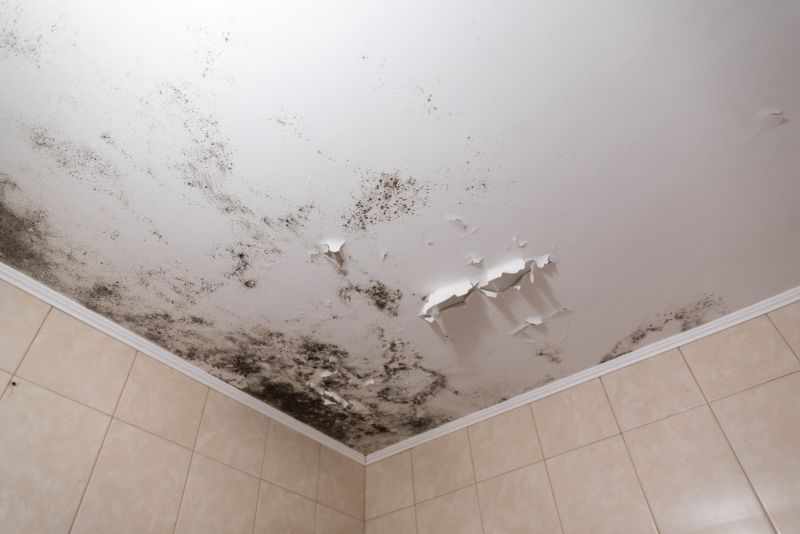
Ceiling Mold Removal in Broward County, FL
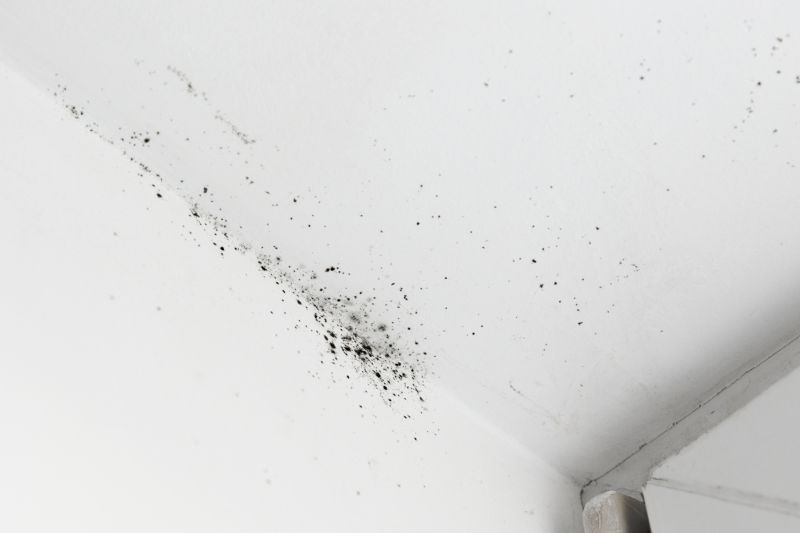
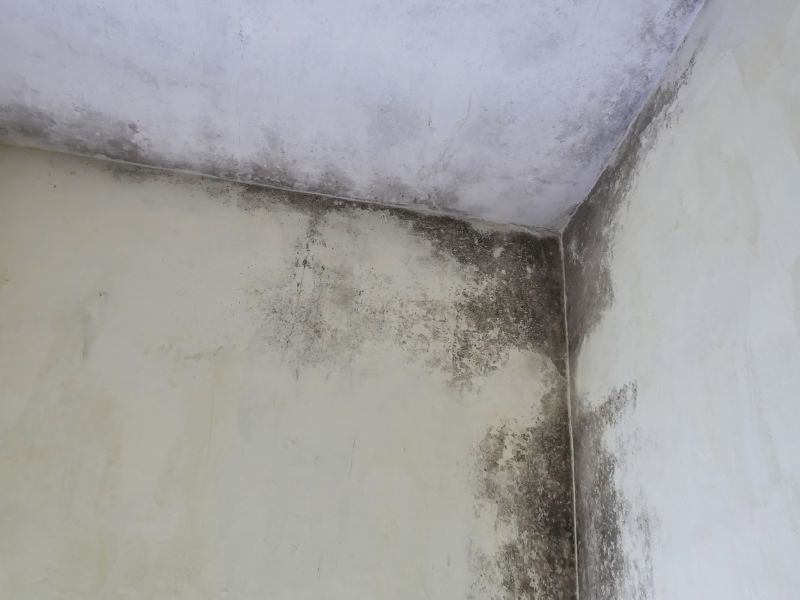
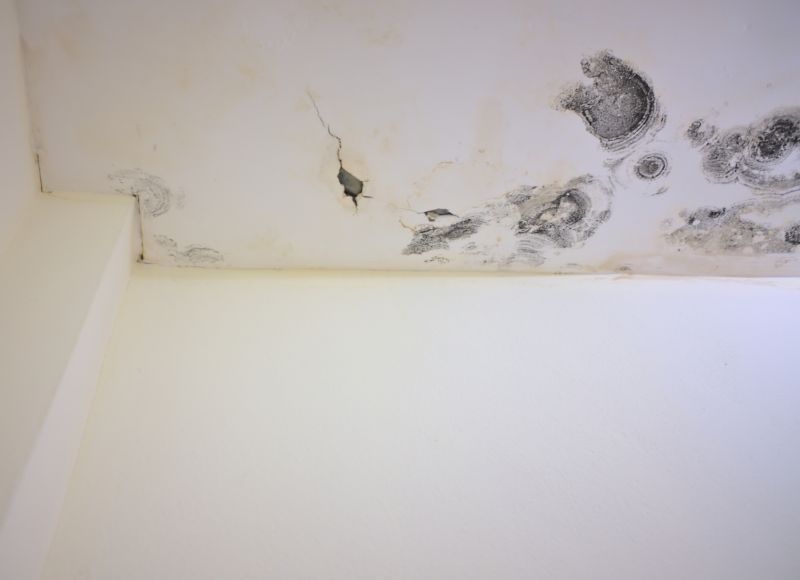
Ceiling mold removal services focus on identifying and eliminating mold growth that develops on or beneath ceiling surfaces within residential properties. These projects typically include addressing mold caused by excess moisture, leaks, or poor ventilation, which can appear as black, green, or white patches on ceilings made of drywall, plaster, or other materials. Property owners often seek this service to improve indoor air quality, prevent potential health issues, and restore the appearance of affected areas. Understanding the extent of mold presence and the underlying moisture source is essential before requesting removal, as effective treatment requires addressing both the mold and its cause.
Before requesting ceiling mold removal, homeowners should consider whether the mold growth is confined to a small area or widespread, as well as any signs of water damage or leaks. It’s important to evaluate the age and condition of the ceiling materials, since some may need repair or replacement after mold removal. Property owners are encouraged to inquire about the process used for mold removal, including whether affected materials will be cleaned, treated, or removed, and to ensure that moisture sources are identified and addressed to prevent future growth. Proper assessment and planning can help ensure a thorough and lasting solution.
Many property owners in Broward County, FL look into Ceiling Mold Removal for repairs, replacements, upgrades, and appearance-related improvements.
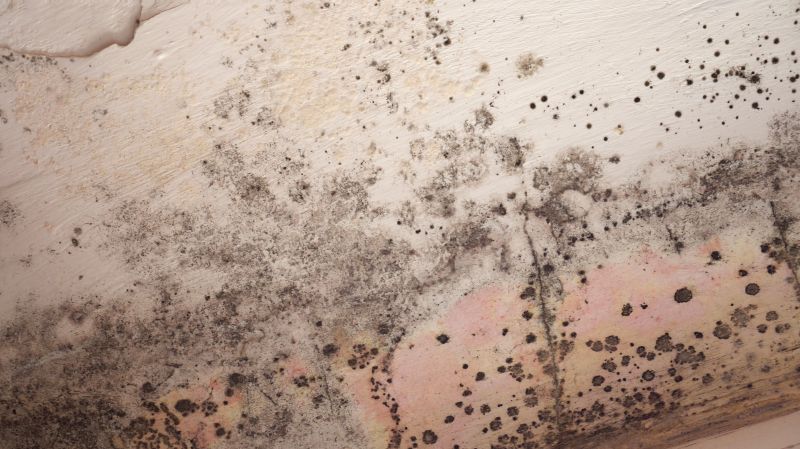
Signs Of Ceiling Mold
Discoloration, musty odors, or peeling paint can indicate mold growth on ceilings.
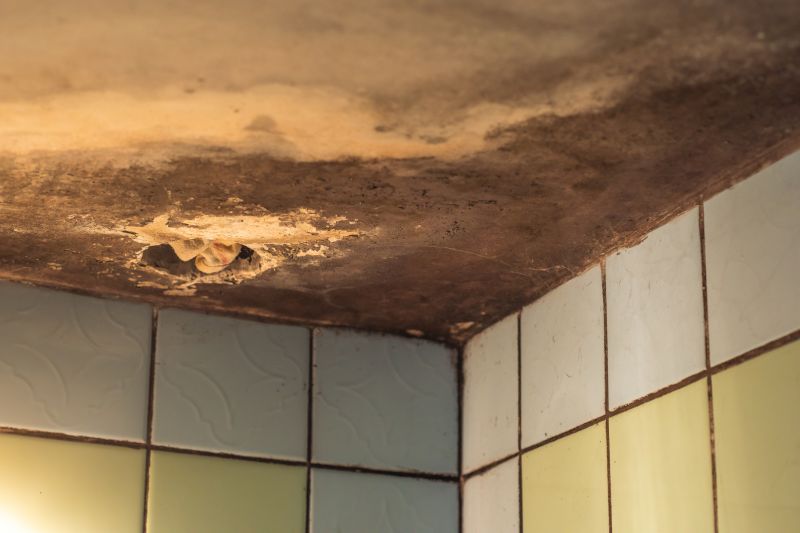
Health And Safety Concerns
Ceiling mold can cause allergic reactions and respiratory issues if left untreated.
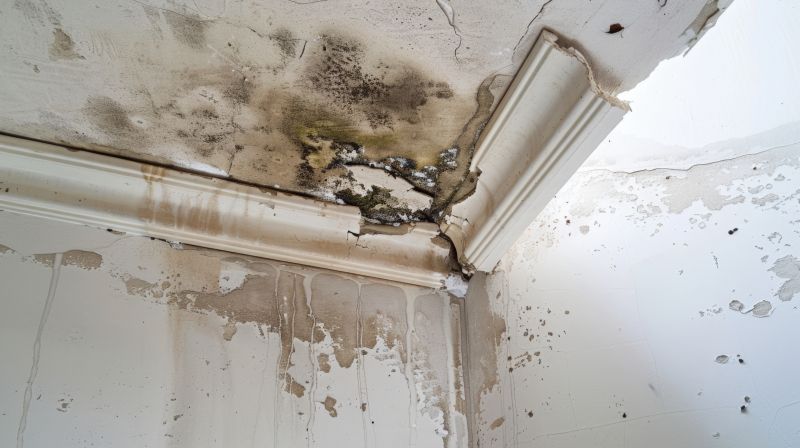
Preventing Future Mold Growth
Proper ventilation and moisture control are key to reducing the risk of ceiling mold in broward county homes.
Ceiling Mold Removal in Broward County, FL

Ceiling mold removal services focus on identifying and eliminating mold growth that develops on or beneath ceiling surfaces within residential properties. These projects typically include addressing mold caused by excess moisture, leaks, or poor ventilation, which can appear as black, green, or white patches on ceilings made of drywall, plaster, or other materials. Property owners often seek this service to improve indoor air quality, prevent potential health issues, and restore the appearance of affected areas. Understanding the extent of mold presence and the underlying moisture source is essential before requesting removal, as effective treatment requires addressing both the mold and its cause.
Before requesting ceiling mold removal, homeowners should consider whether the mold growth is confined to a small area or widespread, as well as any signs of water damage or leaks. It’s important to evaluate the age and condition of the ceiling materials, since some may need repair or replacement after mold removal. Property owners are encouraged to inquire about the process used for mold removal, including whether affected materials will be cleaned, treated, or removed, and to ensure that moisture sources are identified and addressed to prevent future growth. Proper assessment and planning can help ensure a thorough and lasting solution.
Many property owners in Broward County, FL look into Ceiling Mold Removal for repairs, replacements, upgrades, and appearance-related improvements.
Common Ceiling Mold Removal Jobs
Ceiling mold removal - eliminates mold growth caused by moisture buildup on ceiling surfaces.
Mold remediation for ceilings - addresses mold issues that can affect indoor air quality and home health.
Ceiling cleaning services - remove mold stains and prevent future mold development on ceiling surfaces.
Mold mitigation on ceilings - reduces the risk of mold spreading to other areas of the home.
Ceiling mold treatment - uses specialized methods to safely remove mold from affected ceiling areas.
Mold cleanup for ceilings - restores ceiling surfaces and improves indoor air safety.
Ceiling Mold Removal Questions
What causes mold to grow on ceilings? Mold growth on ceilings often results from excess moisture, leaks, or high humidity levels in the area.
How can I tell if my ceiling has mold? Signs include visible discoloration, a musty odor, or peeling paint on the ceiling surface.
Is mold removal safe for my home? Proper removal involves eliminating mold and addressing moisture sources to prevent future growth.
What types of ceilings are commonly affected by mold? Ceilings in bathrooms, kitchens, or areas with poor ventilation are more prone to mold development.
Request Ceiling Mold Removal in Broward County, FL
Use the quote form on this page to share the basics of your project and request more information for the type of work you need.